
Installing stone beds are great for longstanding curb-appeal and pest-deterrence
Mulch looks good in the spring, but by fall it's faded and potentially drawing bugs. However, stone beds are different. For yards in Indiana, PA and its surrounding counties where the ground freezes, thaws, and takes a beating from rain, stone beds offer a lot of benefits.
IT LASTS
Every year, mulch should be replaced in a yard in order to consistently keep the yard looking nice whereas a properly installed stone bed will stay looking good for decades.
RAIN DOESN'T MOVE IT
Unlike mulch or loose soil, decorative stone stays where you put it, especially during inclement weather.
WEED SUPPRESSION
When paired with landscape fabric underneath, stone beds are one of the most effective weed deterrents you can put in a bed short of concrete.
LESS WOOD, LESS BUGS
Mulch is an organic material, which means it can attract carpenter ants, termites, and fungus. For this reason, we often recommend stone to be used in the parts of your yard that are directly outside your home.
HANDLES FREEZE-THAW
Pennsylvania winters are rough on landscapes. Stone doesn't decompose or turn into a soggy mess come spring thaw.
LOOKS GOOD YEAR ROUND
Most landscaping looks bare in the winter. A well-placed stone bed keeps structure and visual interest even when nothing is growing.
Check Out Our Recent Projects

Curb appeal landscaping upgrade indiana pa
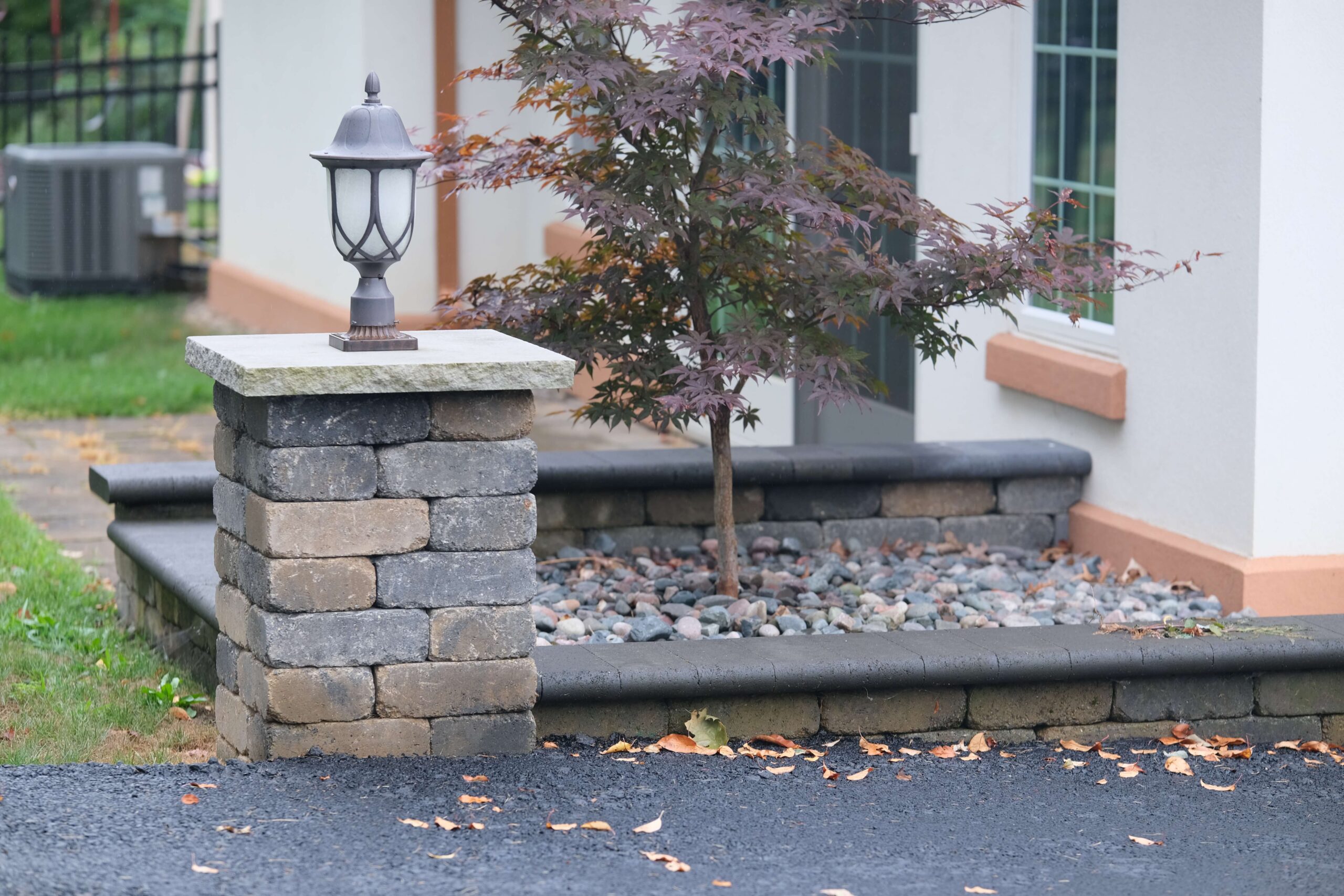
Outdoor Stone Lamp Post and Hardscaping
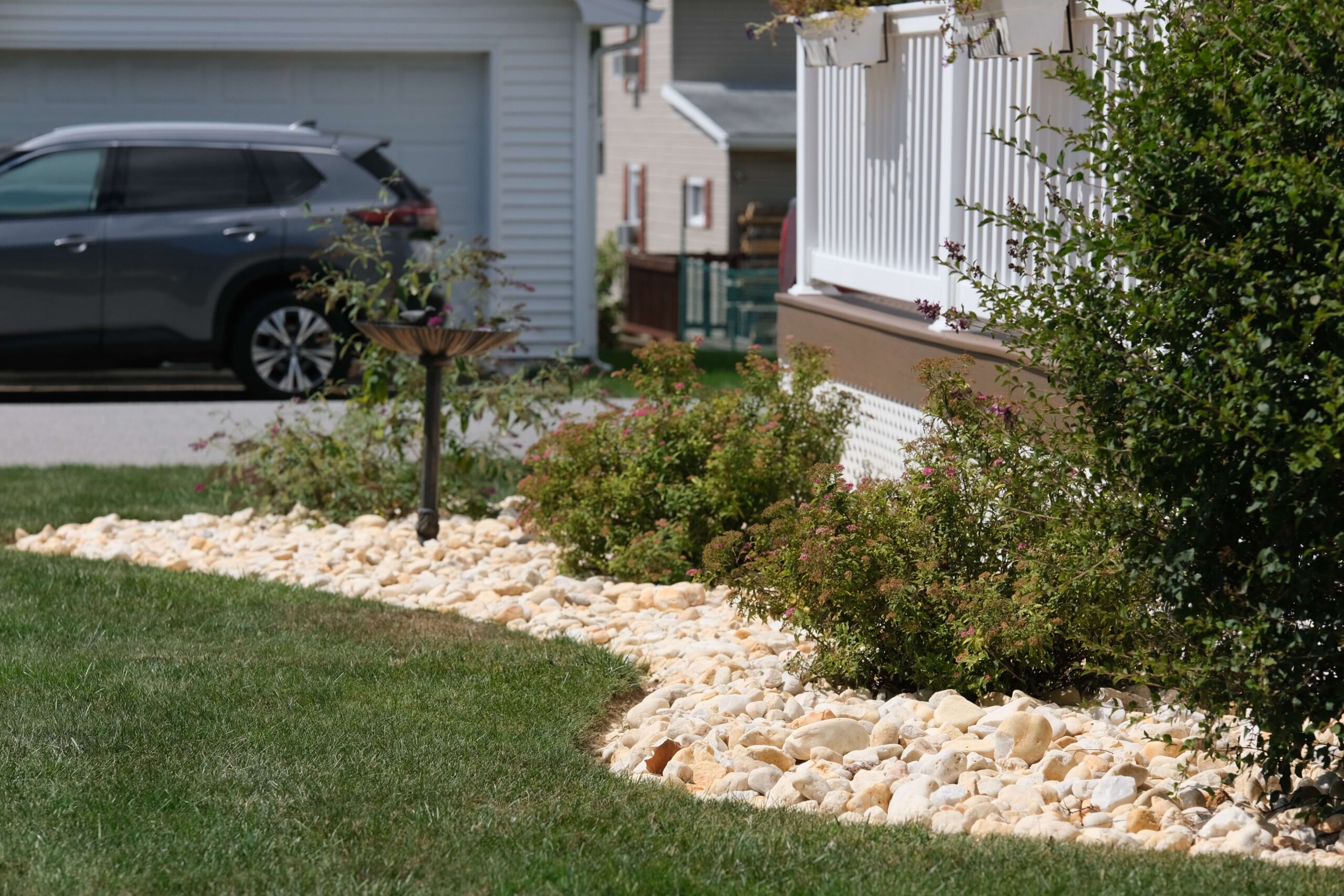
Decorative rock landscaping indiana pa
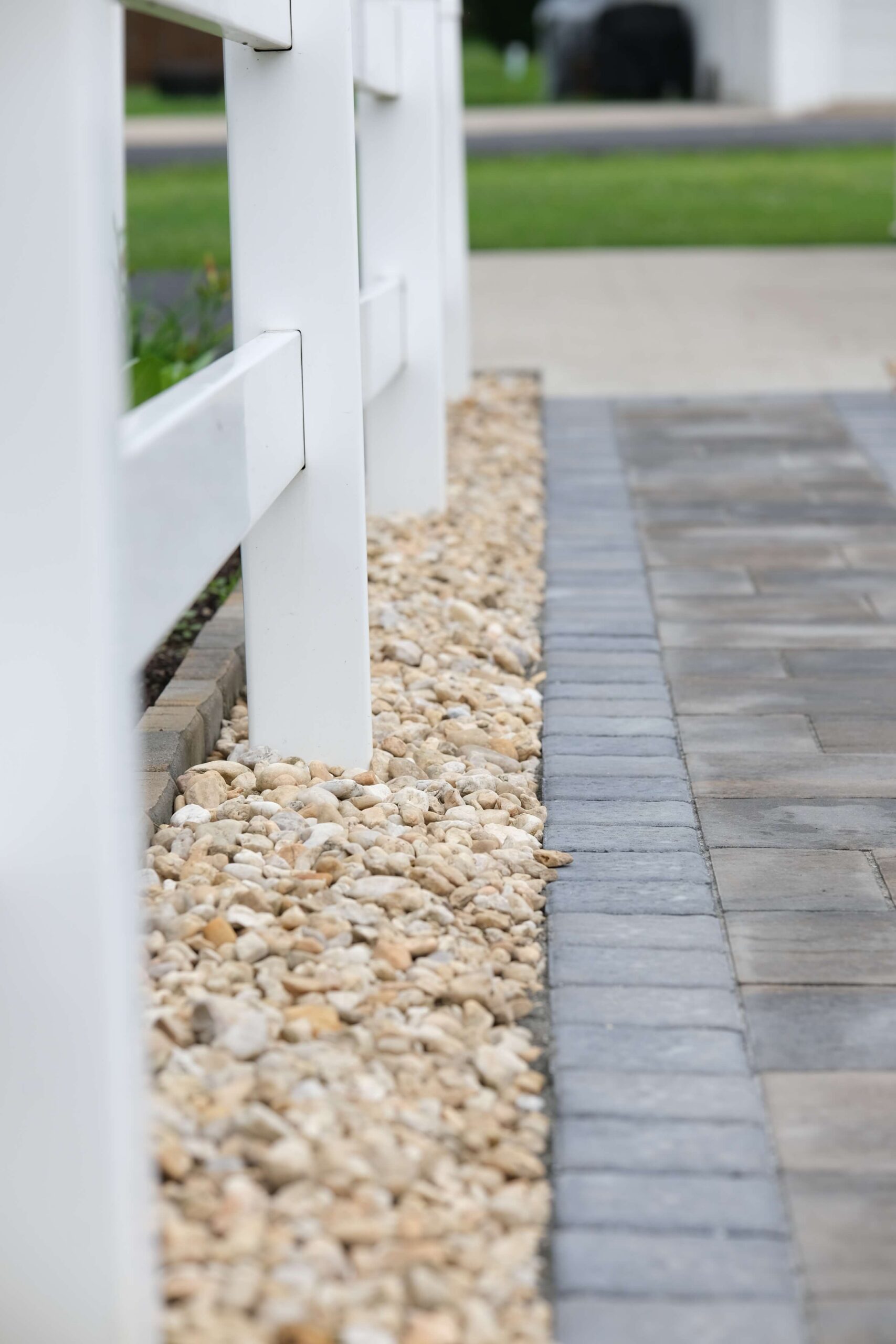
Walkway With River Rock Edge
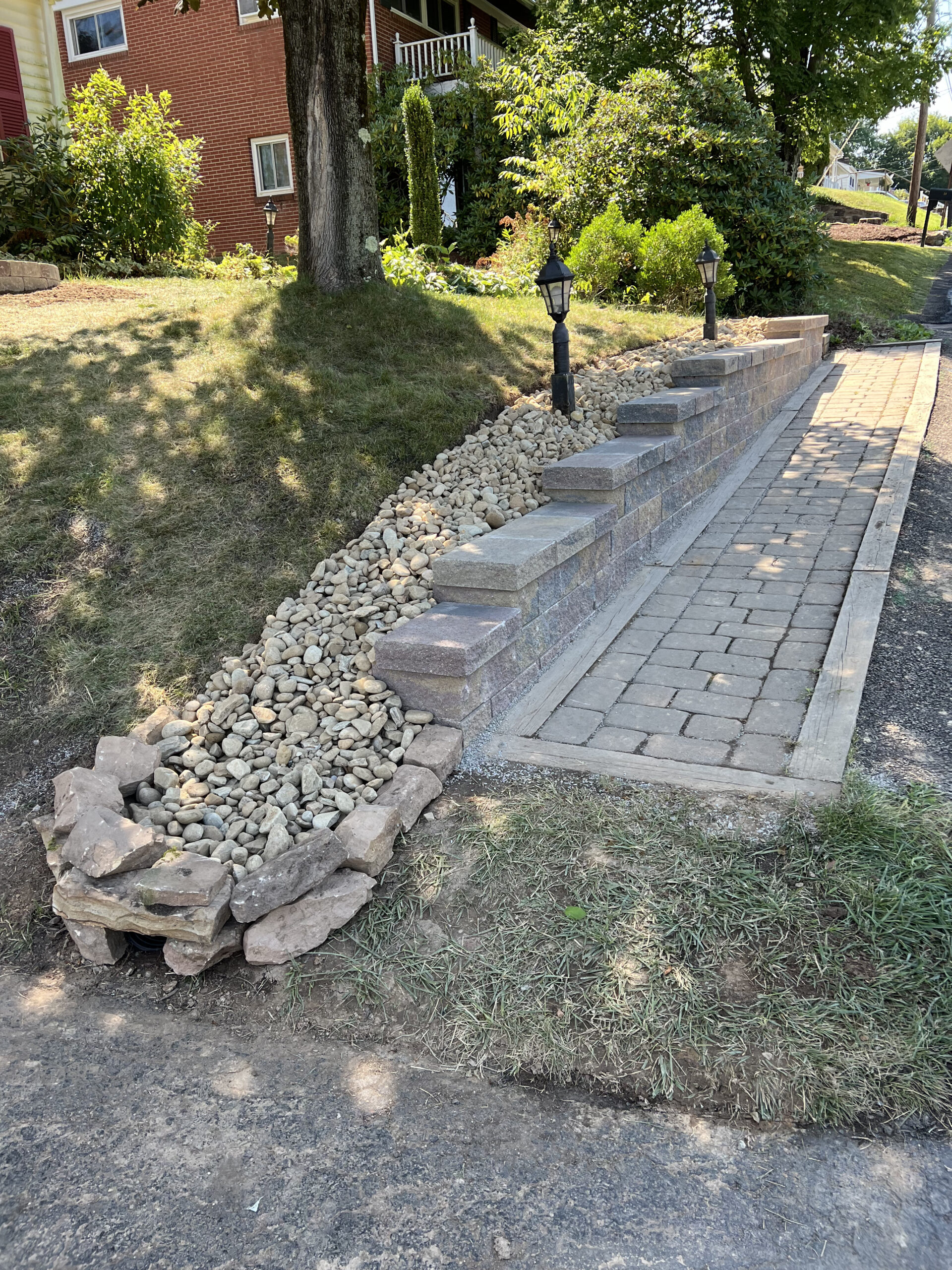
Beautiful retaining wall with lighting
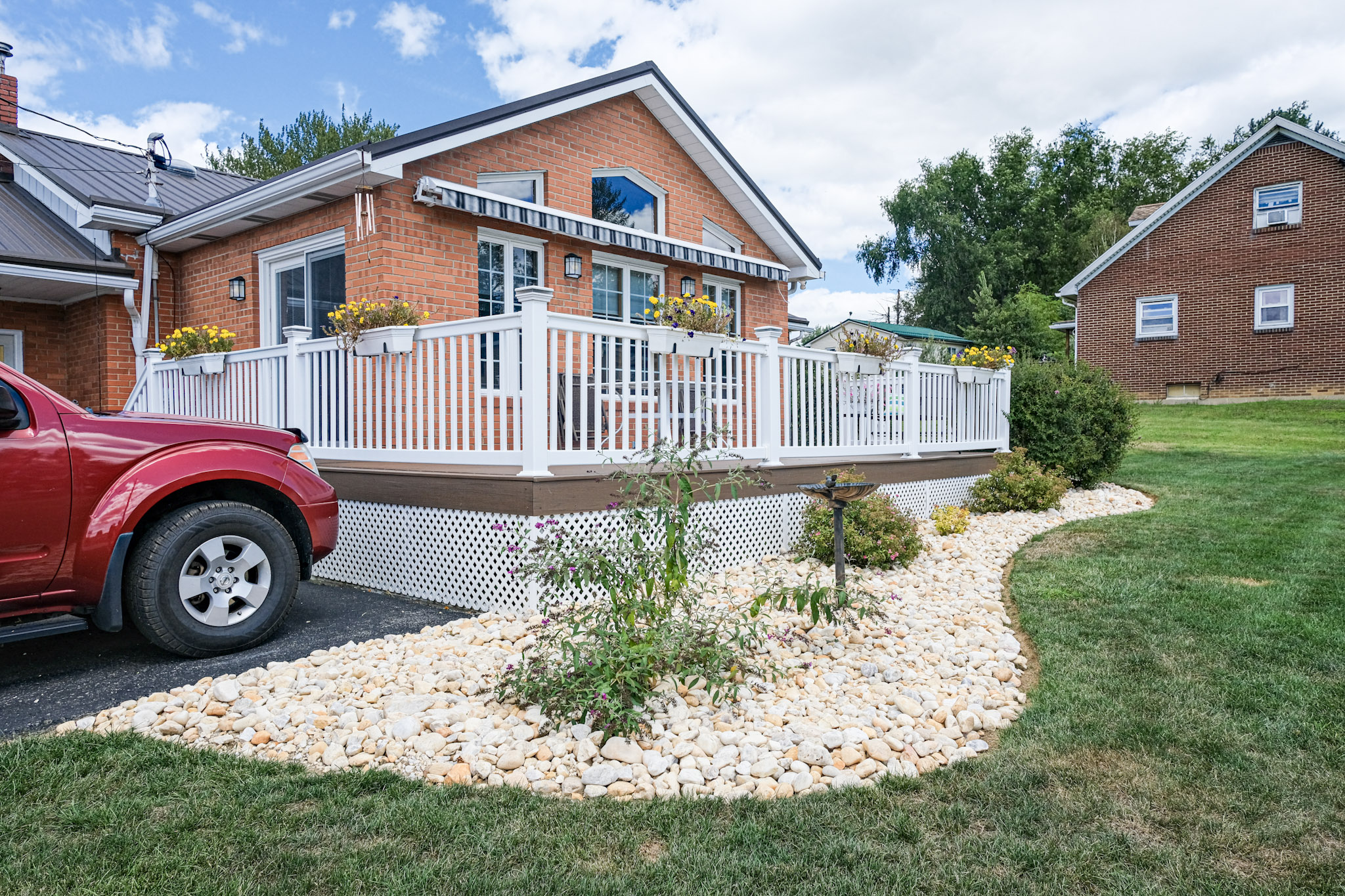
stone-bed-house
FAQ about stone beds in Indiana, PA and its surrounding counties
How much do stone beds cost?
Stone beds are priced by the size of the bed, the type of stone, and how much prep the ground needs. Filling a narrow strip along the foundation is a different job than pulling out old mulch and redoing every bed around the house. Most stone bed installations run between $1,500-$10,000. Fill out our intake form with a rough idea of the area and we will give you a real number before you commit to anything.
What kind of stone should I use?
It comes down to the look you want and where the bed sits. River rock is smooth and rounded, and it works well in beds that catch runoff from a downspout. Angular crushed stone locks together and stays put better on a slope. Smaller stone like pea gravel is easy to walk on but shifts around more. We will help you pick one that fits the house and the way the bed drains.
Do I need landscape fabric under the stone?
Yes. The fabric keeps the stone from sinking into the dirt over time and stops weeds from pushing up from below. A few weeds can still sprout from seeds that blow in and land on top, but they have nothing to root into and pull out easily.
Can stone go around my shrubs and flowers?
Yes. We cut the fabric around each plant and leave a ring of open space at the base so water and air can reach the roots. Stone holds more heat than mulch in the summer, so some plants handle it better than others. If you are adding new plants at the same time, our flower and shrub planting service can pick ones that do well in stone.
How much upkeep does a stone bed need?
Very little. Blow the leaves off in the fall so they do not rot down into the stone, and pull the odd weed when you see one. Every several years a bed may need a light top-off where the stone has thinned out. That is about it.
What happens after I fill out the form?
We get back to you within three business days, and you will be prompted to pick a day and time for a consultation as soon as you submit. We walk the beds, look at the drainage and what is planted there, and help you choose a stone from there.
Like What You See?
Click the link to fill out our intake form and someone from our team will be in contact with you.