
A good retaining wall not only resists the elements but it makes your land more useable
Every retaining wall looks good the day it goes in, but a wall set on packed dirt with no drainage behind it will start to lean after a handful of winters. Water is the issue; it collects behind the stone, freezes, expands, and pushes out against the wall. Every retaining wall in hilly counties like Indiana, PA should be built on a compacted base and have a gravel backfill, and depending on height of the wall, have a drain line behind it, so the water has somewhere to go before it turns into pressure. Done right, a wall turns a slope you have to mow sideways into flat ground you can put a patio on.
STOPS EROSION
Rain moves dirt downhill. A wall keeps your topsoil, your grass, and your beds where you put them instead of sliding down your yard after a heavy storm.
FLAT GROUND YOU CAN USE
A slope is wasted space. Cut it into a level terrace and you have room for seating, a garden, a fire pit, or a patio that isn't sitting on a hill.
HOLDS THE SLOPE
Sloped ground shifts, especially after a wet season. A properly built wall carries that load and keeps the ground above it from aggressive shifting.
WATER GOES WHERE YOU WANT IT
A wall changes how runoff moves across your property. We grade it so water leaves the yard instead of pooling against your foundation or washing out the bed below.
IT LOOKS LIKE IT BELONGS
Natural stone, brick, and block all read differently from the road. We match the wall to the house so it looks original to the property rather than added on later.
BUILT FOR PENNSYLVANIA WINTERS
Ground here freezes and thaws all season long. Gravel backfill and a drain line give water an exit before it freezes and starts pushing the stone out of line.
Check Out Our Recent Projects
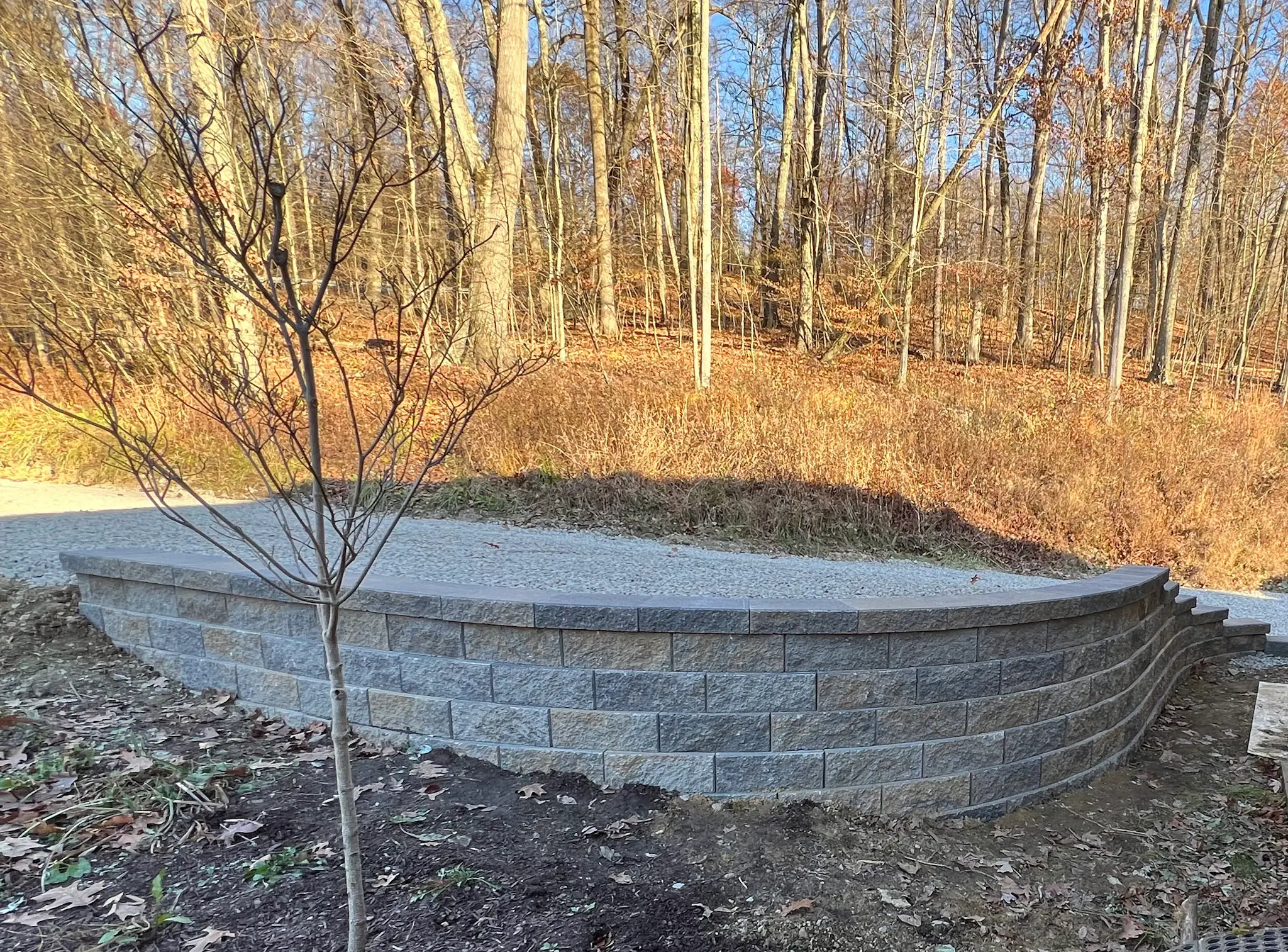
block-retaining-wall-installation-indiana-pa-02
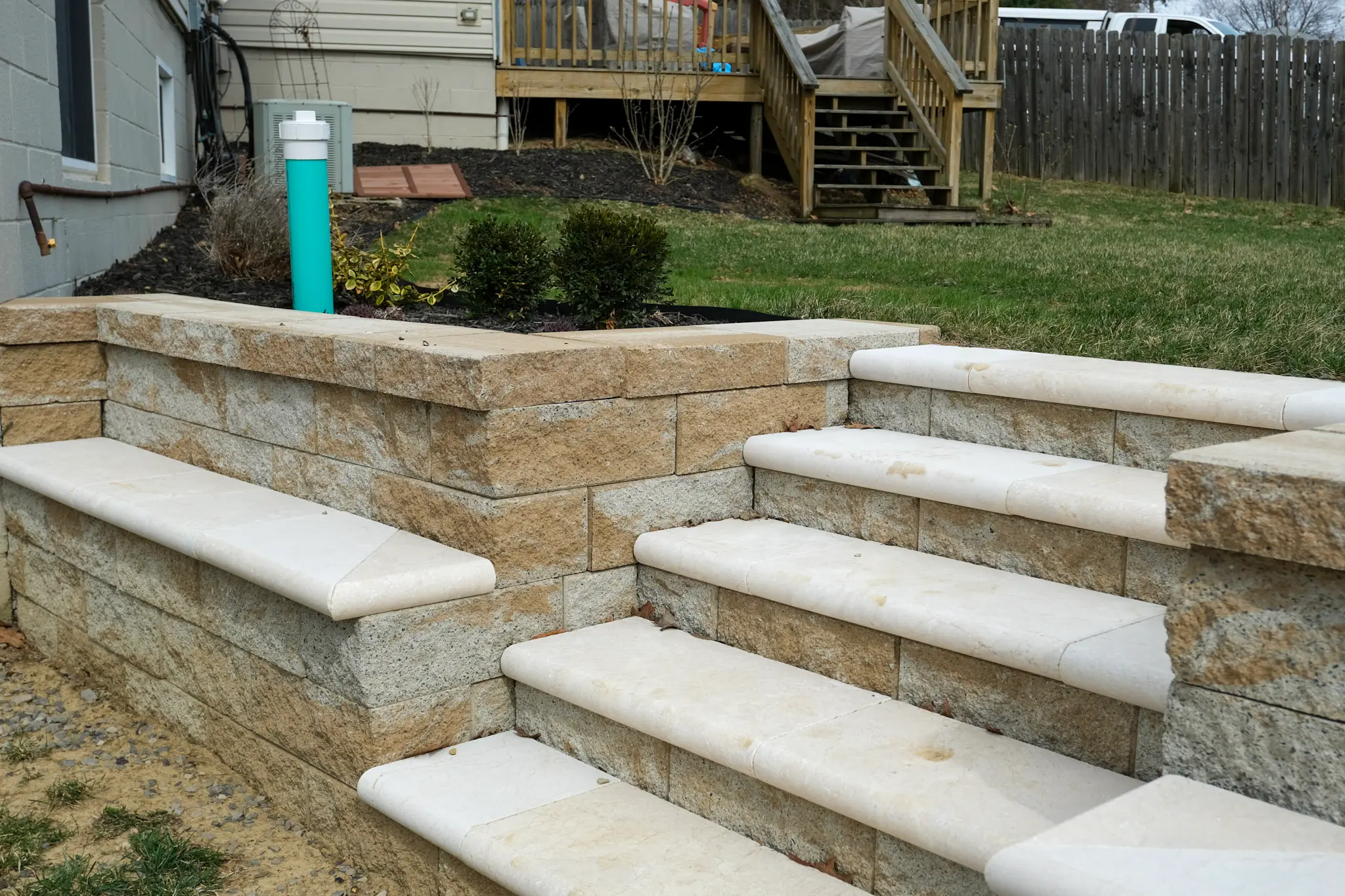
block-retaining-wall-installation-indiana-pa-06
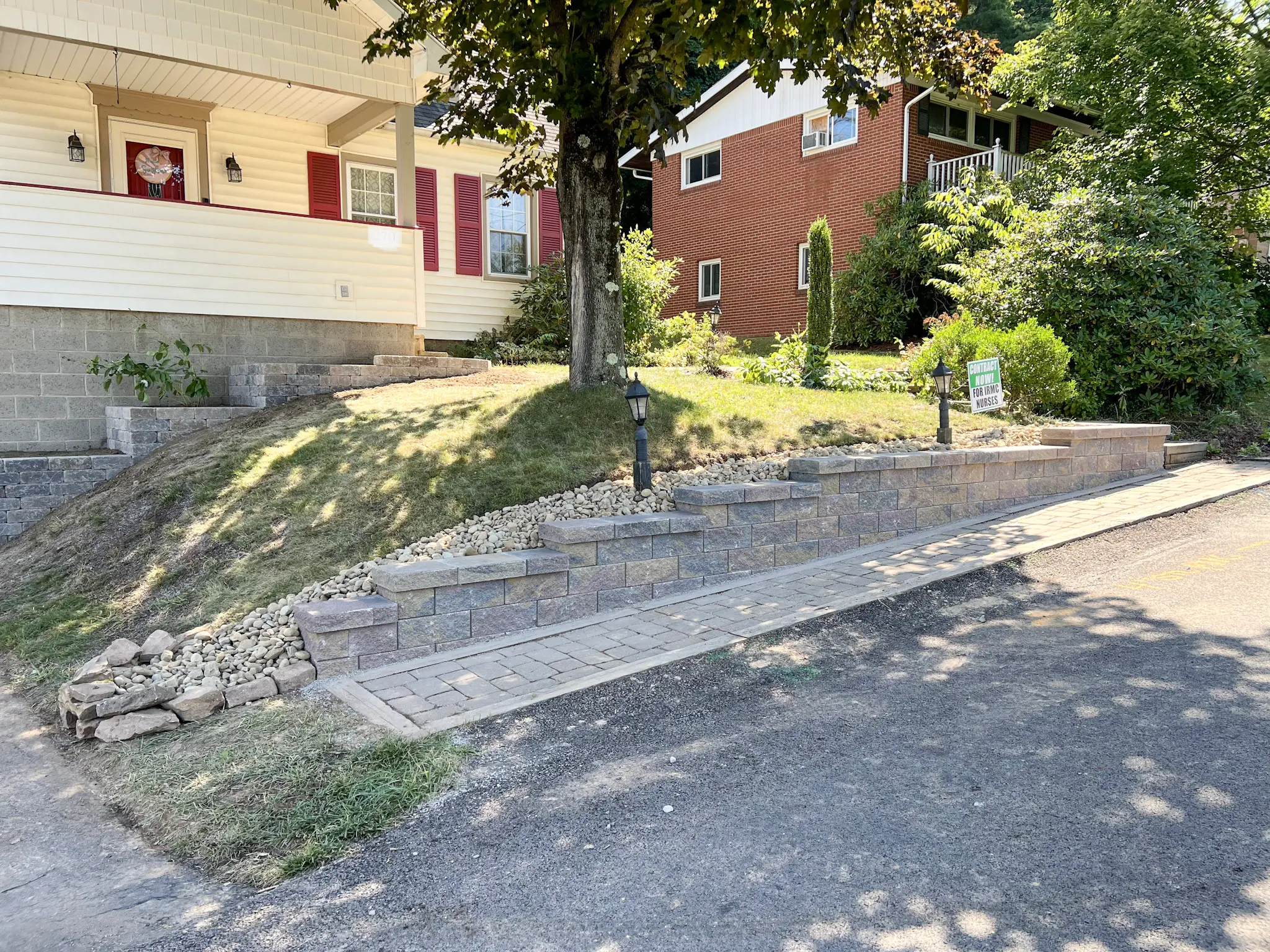
block-retaining-wall-installation-indiana-pa-04
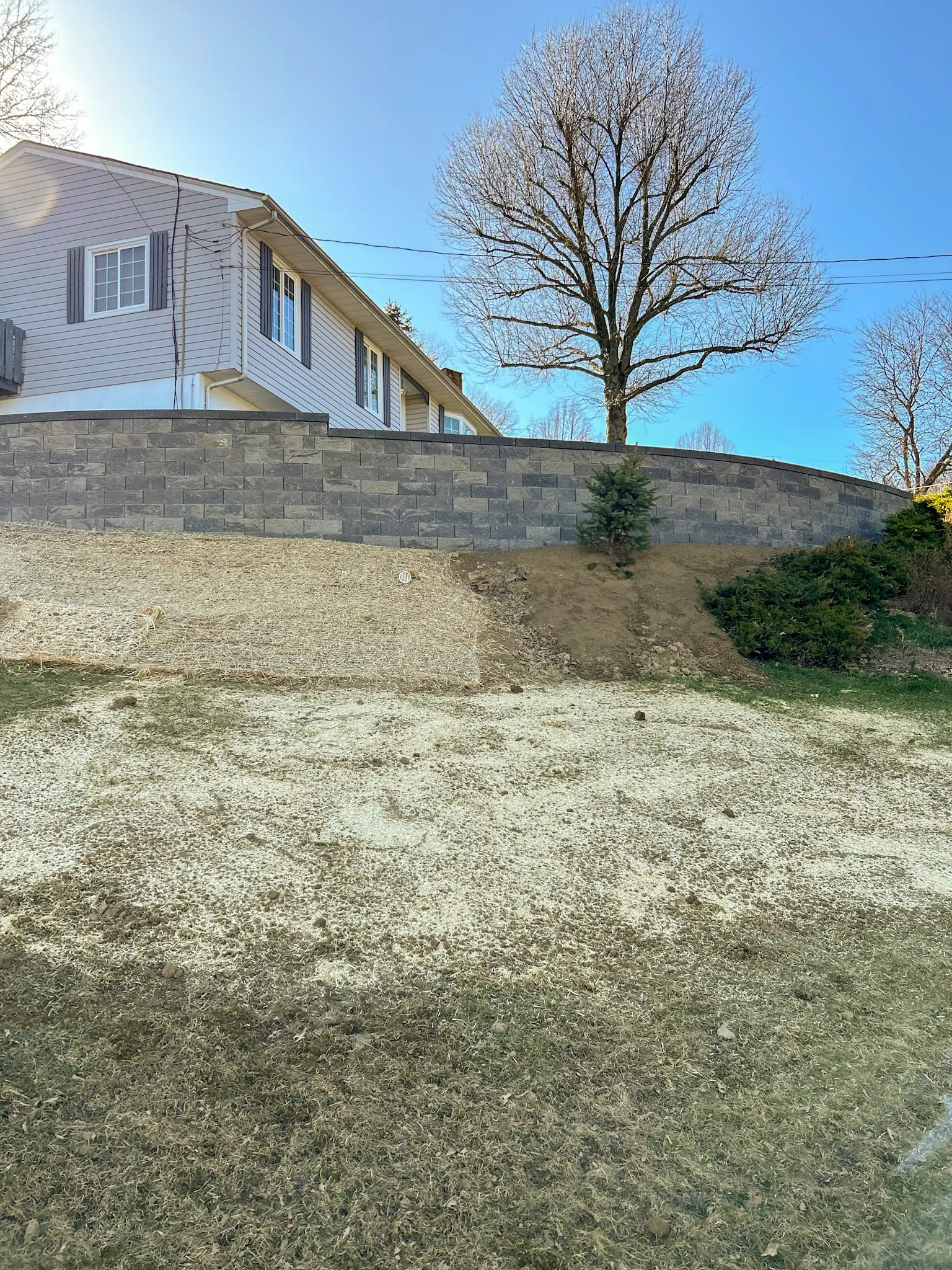
block-retaining-wall-installation-indiana-pa-05
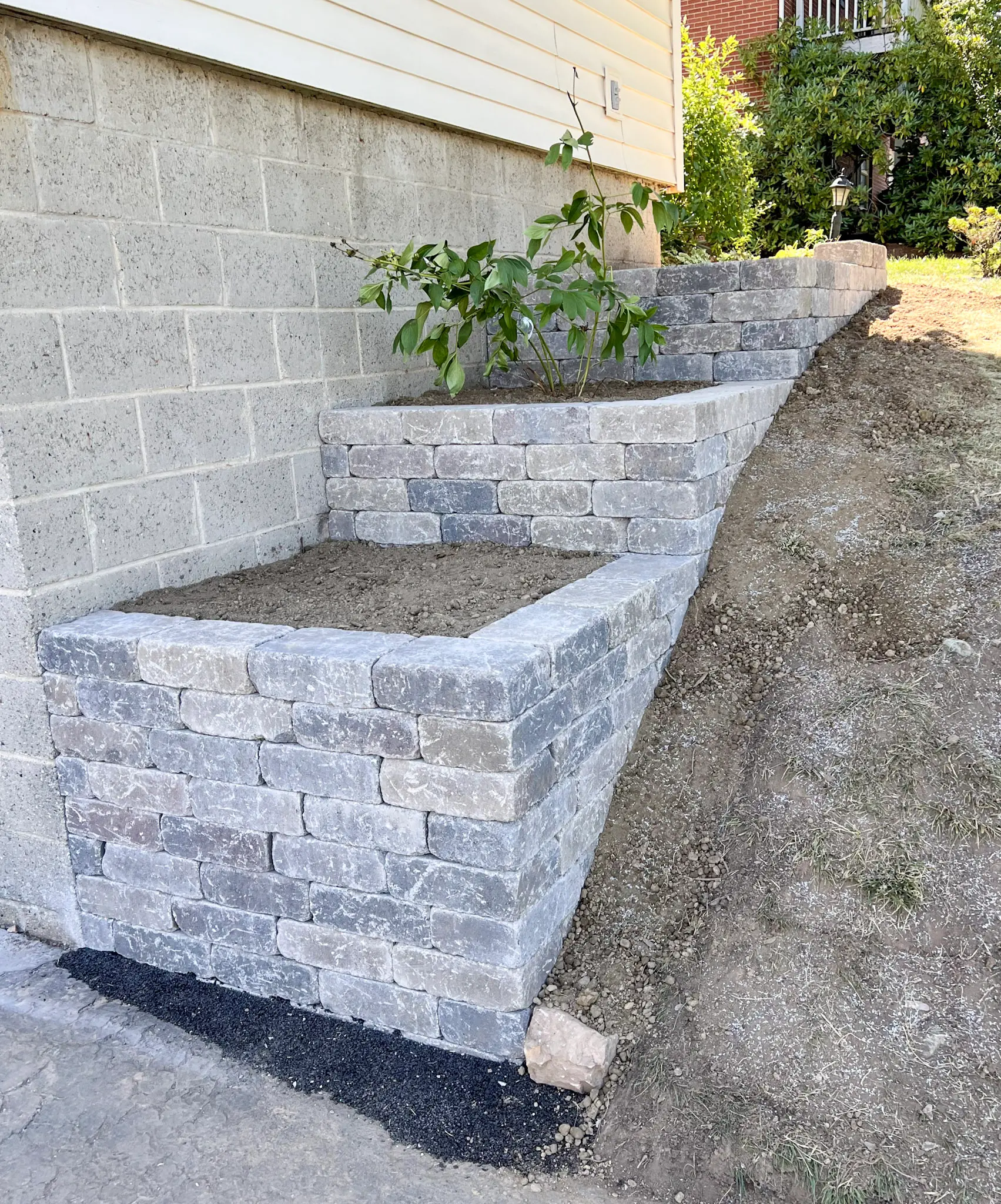
block-retaining-wall-installation-indiana-pa-03
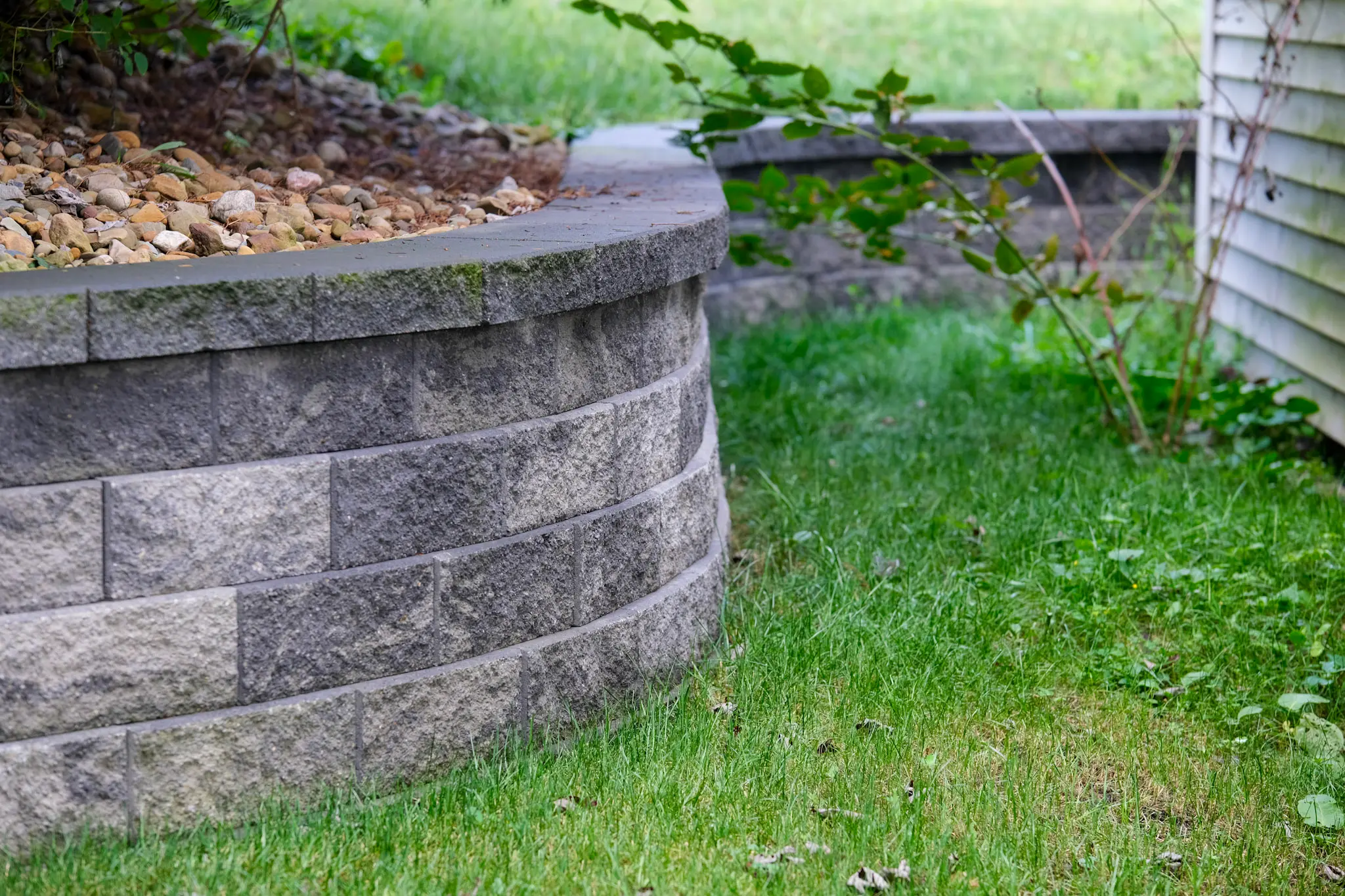
block-retaining-wall-installation-indiana-pa-07
FAQ about retaining wall installation in Indiana, PA and its surrounding counties
How much does a retaining wall cost in Indiana, PA?
Most retaining walls in Indiana County area run between $1,500 and $10,000 depending on length, height, material, and how much drainage work the site needs. A short garden wall and a six foot wall holding back a driveway are two different projects. The best way to get an accurate number is to fill out our intake form and tell us what you have in mind.
Do I need a permit to build a retaining wall in Indiana County?
Sometimes. Pennsylvania's Uniform Construction Code exempts retaining walls up to 4 feet, measured from the lowest grade to the top of the wall, as long as the wall isn't supporting a surcharge. A surcharge means extra load pressing on the wall from behind, like a driveway, a patio, or a steep slope above it. Anything over 4 feet or carrying a surcharge needs a permit and usually engineer-stamped plans. Individual townships can be stricter than the state baseline. We check local requirements and pull the permits before we break ground.
How long does it take your team to build a retaining wall?
A standard wall takes anywhere from a few days to a week once materials are on-site and permits are in hand. Bigger walls and anything needing engineered drainage take longer.
What types of retaining walls does Luke's Landscaping specialize in building?
We build natural stone, brick and masonry, concrete block, and terraced garden walls that step a slope into multiple planting levels. Block is the most common choice for structural work because the units are engineered to lock together and drain. Natural stone costs more and tends to suit older homes better. If you have something specific in mind, tell us in the intake form and we'll let you know what we can do.
Ready to build a retaining wall?
Click the link to fill out our intake form and someone from our team will be in contact with you.