
Lawn seeding grows roots built for your yard, at a fraction of what sod costs in Indiana, PA
Sod gets you a green yard by the afternoon, but seed grows up in the dirt it has to live in. Those roots never have to adjust to new soil, so they push deeper and hold on through a dry August. Lawn seeding also costs far less than sod, which matters on a big lot or a new build. The tradeoff is patience. Seed needs steady water, good contact with the soil, and a cover of straw to keep it in place until it takes.
Roots That Go Deeper
Seeded grass starts life in your soil, so there is no transplant shock and no seam line to grow across. The roots go down on their own and hold up better in a dry stretch.
A Blend Picked for the Yard
Tall fescue handles sun and drought, fine fescue tolerates shade, and bluegrass fills in its own bare spots. We match the mix to how much sun each part of the yard actually gets.
Thin Lawns Fill Back In
Overseeding thickens a tired lawn without tearing out what is already there. It is the simplest fix for bare patches, thin shady corners, and yards worn down by kids and dogs.
Big Yards Cost Less
Seed covers large lots and new construction for a fraction of what sod would run. It also reaches steep banks and tight spots where rolls of sod are hard to lay.
Straw Keeps the Seed in Place
Freshly seeded ground gets a layer of straw to hold moisture and keep rain from washing the seed away. The straw breaks down on its own as the new grass comes through.
Late Summer and Spring Are the Best Windows
Seed sprouts best in warm soil with cool nights, which in Indiana County means mid-August through September. Spring works too, though new grass has to race crabgrass for the space.
Check Out Our Recent Projects
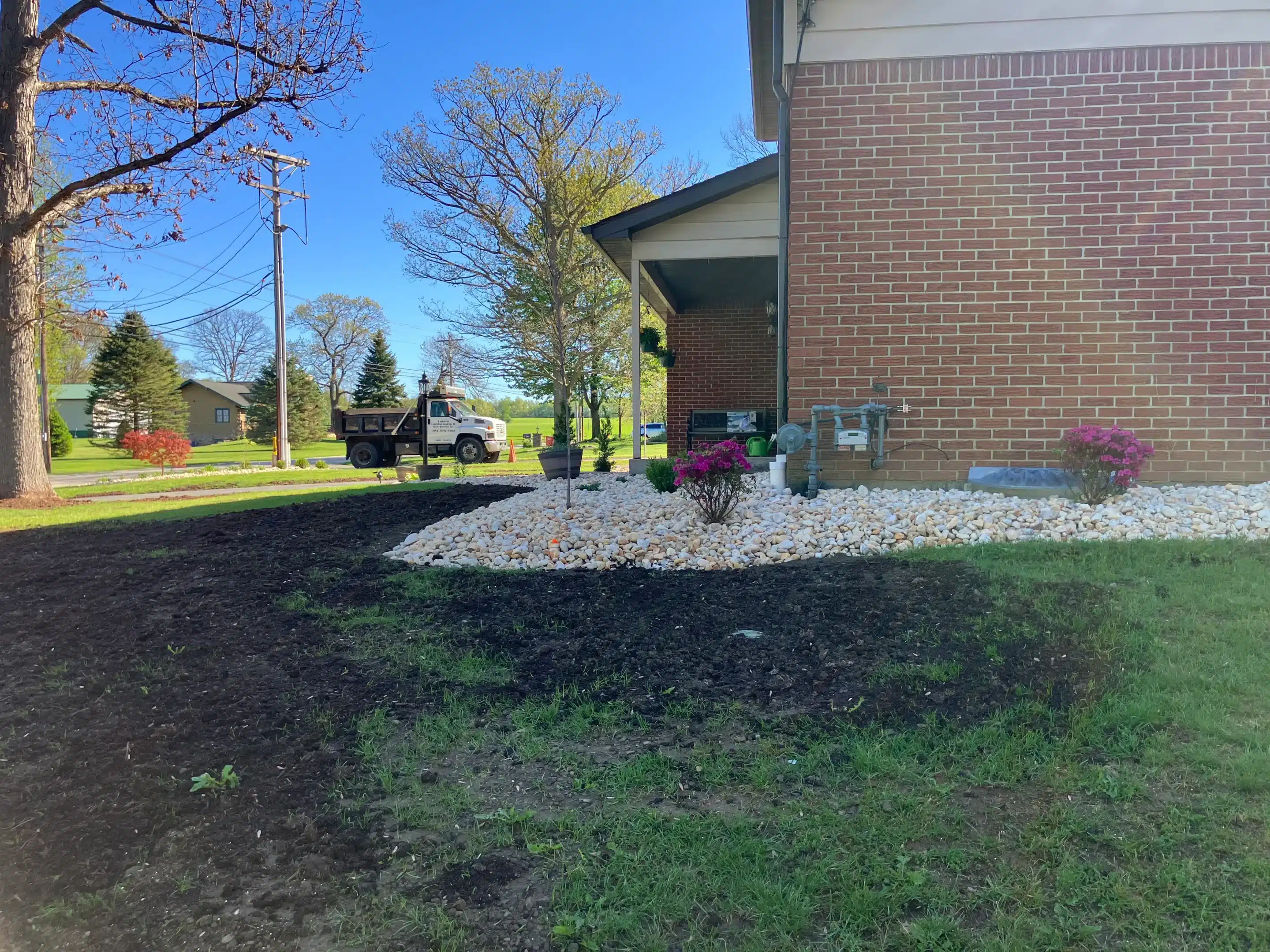
lawn-seeding-3

lawn-seeding-4

lawn-seeding-1
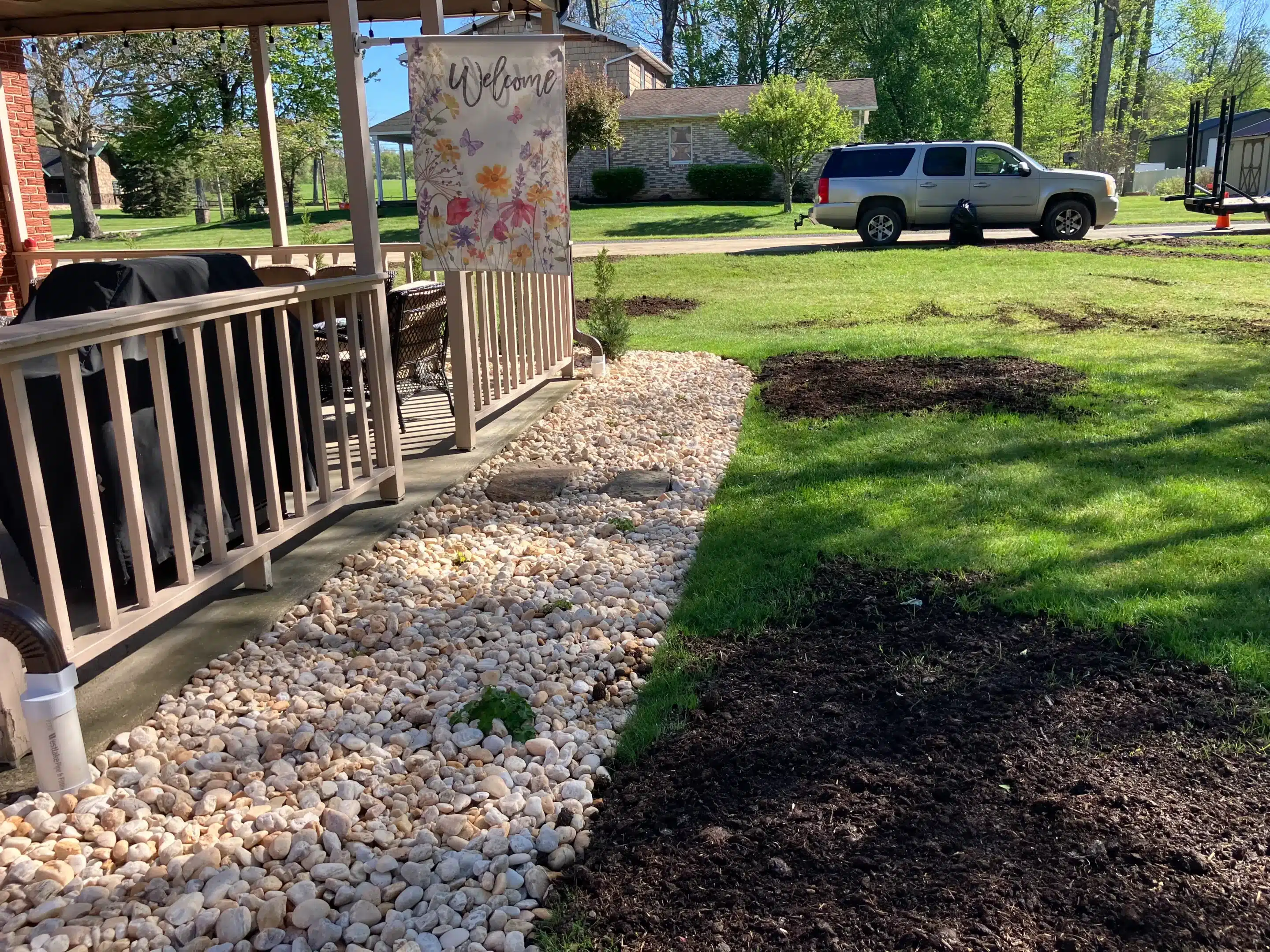
lawn-seeding-5

lawn-seeding-6
FAQ about lawn seeding in Indiana, PA and its surrounding counties
How much does lawn seeding cost?
Seeding is priced by the size of the area and how much prep the ground needs. Overseeding a thin lawn is a lighter job than tearing out a dead yard, grading it, and starting from bare soil. Most lawn seeding projects run between $200-$2,500. Fill out our intake form with the size of the area and we will give you a real number before you commit to anything.
Can you seed over the lawn I already have?
Yes, and for a lawn that is thin or patchy that is usually the best move. We cut it short and open up the soil first so the seed lands on dirt instead of sitting on top of the old grass. The new growth fills in between what is already there.
How long until the grass comes in?
You should see the first green in one to three weeks, depending on the blend and the weather. Most new lawns are ready for a first mow in about four to six weeks, and it takes six to eight weeks for the lawn to fill in thick. Keep foot traffic off it until after that first mow.
How often do I need to water new seed?
Lightly, once or twice a day, so the top of the soil never dries out until the seed sprouts. Once the grass is up, switch to watering less often but longer, which pushes the roots to go down after the moisture. Most of the lawns that fail do so because they dried out in the first two weeks.
Do I need to rake up the straw?
No. Leave it where it is. The straw holds moisture and keeps the seed from washing away, and it breaks down on its own as the grass grows through. By the second or third mow you will barely see it.
What time of year is best for seeding?
Mid-August through September is the best window in Indiana County, because the soil is still warm and the nights are cool enough to keep new grass from stressing. Spring is the second choice. It works, but the new lawn has to compete with crabgrass coming up at the same time.
What happens after I fill out the form?
We get back to you within three business days, and you will be prompted to pick a day and time for a consultation as soon as you submit. We walk the yard, look at how much sun and shade each area gets, check the soil, and recommend a blend from there.
Ready to grow your lawn?
Click the link to fill out our intake form and someone from our team will be in contact with you.